Accelerometer Specs for Vibration Monitoring: What Matters
Accelerometer specs for vibration monitoring explained: bandwidth, noise density, g-range, resonance and mounting, and how to size each for the fault you need.
Read more Discuss your project
Engineering explanations and practical guides for teams who need to explain, demonstrate and teach a technical product.

Build a technical product launch content plan: map evaluators and questions, set a core content set, sequence it, plan reviews and measure what helps.
Read article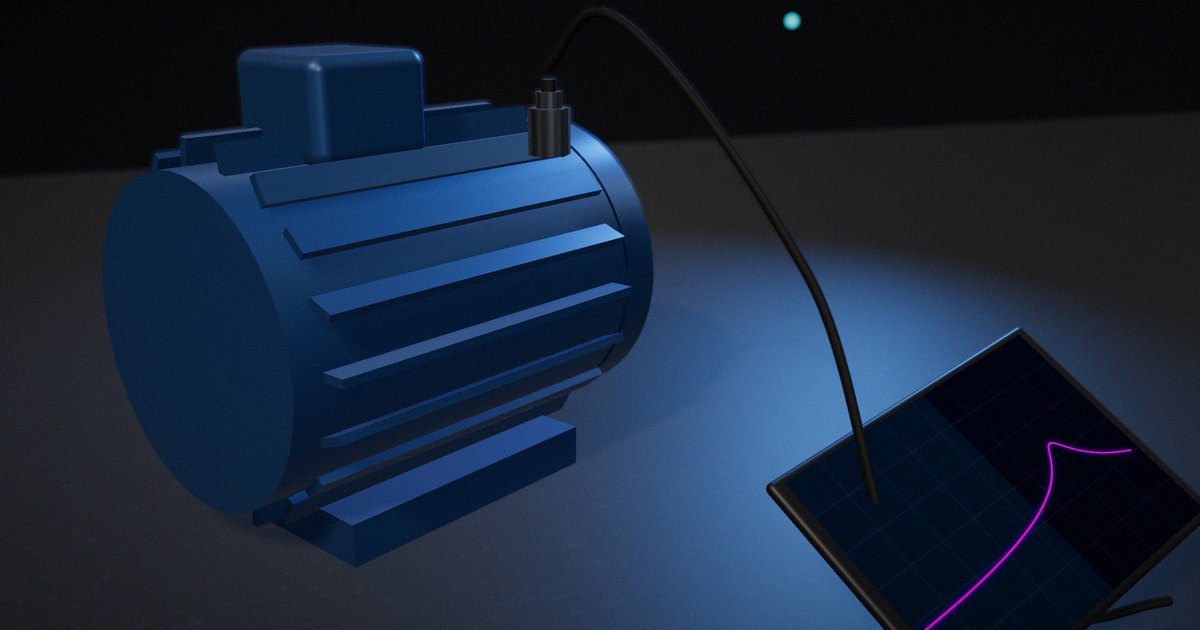
Accelerometer specs for vibration monitoring explained: bandwidth, noise density, g-range, resonance and mounting, and how to size each for the fault you need.
Read more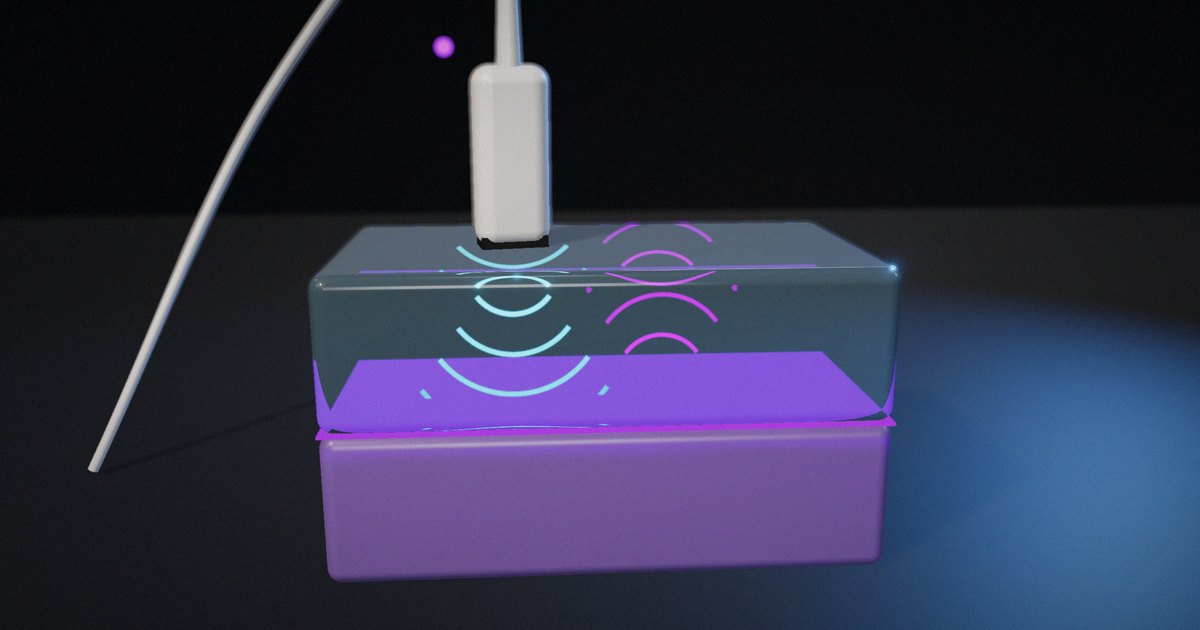
Acoustic impedance and reflection explained: why boundaries echo, how much energy reflects, why ultrasound needs gel, and how transducer matching layers work.
Read more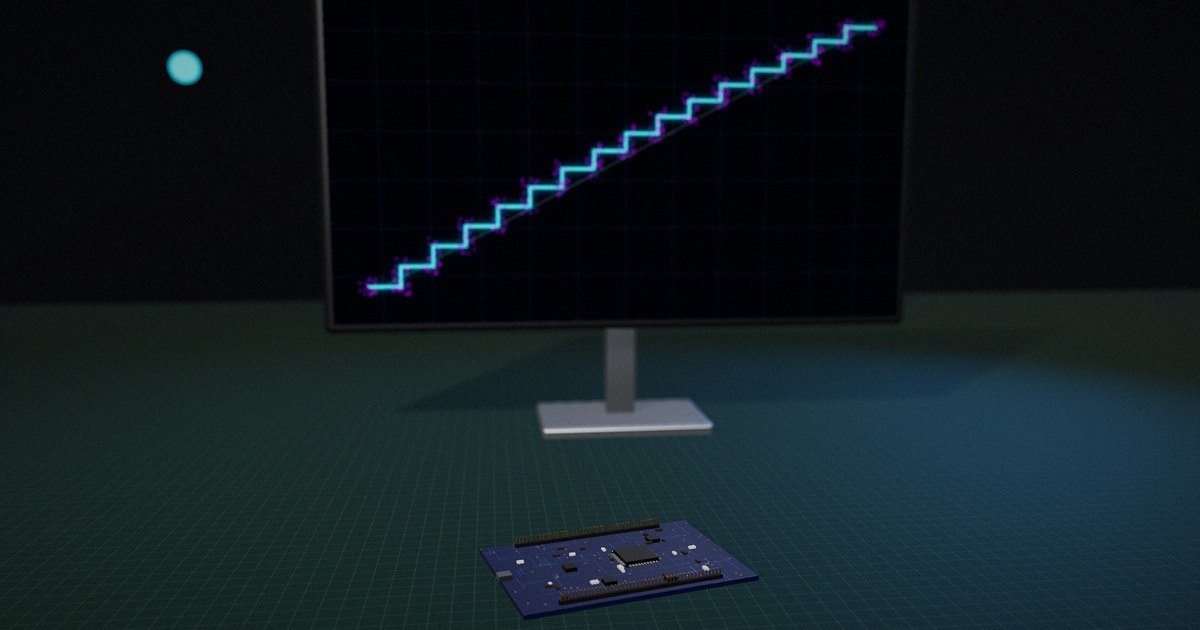
ADC resolution vs accuracy explained: how offset, gain error, INL, noise and ENOB shrink a converter's useful bits, and which errors calibration can remove.
Read more
AI in technical content production: what productivity studies show, why confabulated specs are the main risk, and where to put human review in the workflow.
Read more
Application note vs tutorial vs product video: what each format answers, what research says about video and docs, and how to pick and link them in a launch.
Read more
Application note vs white paper: how they differ in purpose, reader and evidence, what research on engineers reading white papers found, and how to pick.
Read more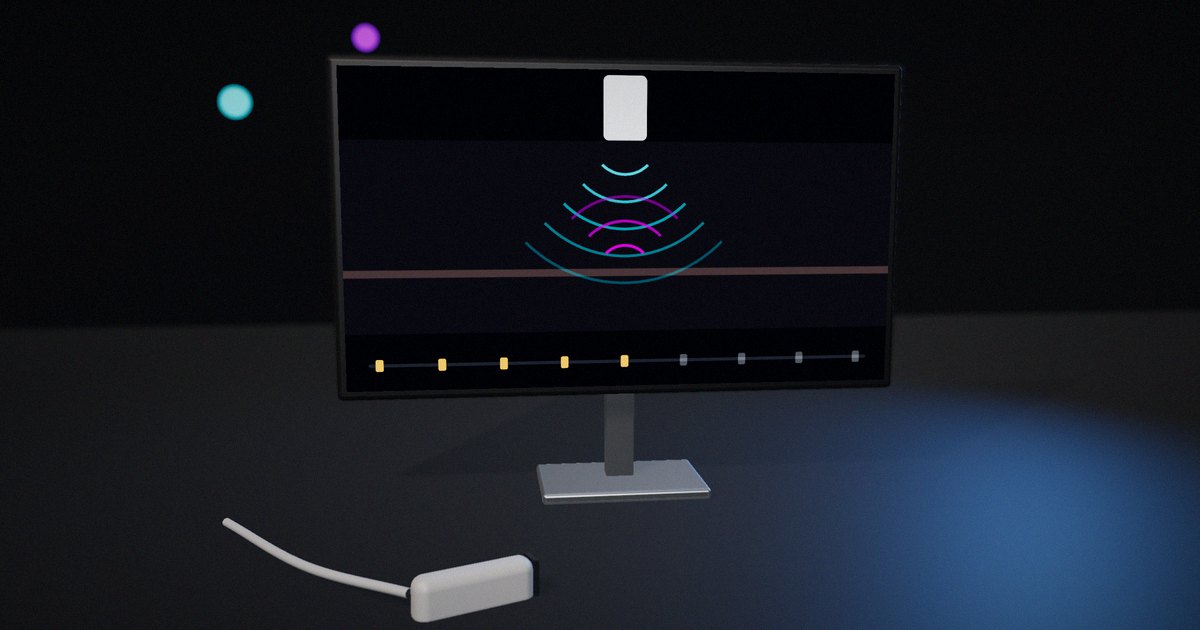
Studio Note: we built an ultrasound echo explainer as a physics simulation. What we kept faithful, what we exaggerated and how it stays accessible to all.
Read more
A guide to industrial dashboards operators act on: start from decisions, show deviation from normal, reserve color, build a hierarchy and budget alarms.
Read more
Do animations teach better than static diagrams? What meta-analyses find, why the effect is modest, when animation wins and how to choose for technical content.
Read more
Documentation that reduces support questions: mine tickets, title pages by symptom, write task-first, put answers where problems happen and close the loop.
Read more
Edge vs cloud processing for industrial data: latency, bandwidth, outages, security and cost, with a worked data budget and how to decide where each step runs.
Read more
Measurement uncertainty explained: error vs uncertainty, the GUM's Type A and B, an uncertainty budget worked through, and how to report it so people trust it.
Read more
Studio Note: how we turn a dev-board project into a technical article and demo video, from the first question to expert review, and what we refuse to fake.
Read more
Moving from development board to product: power, EMC and ESD, radio certification, manufacturability and test, and why a working prototype isn't a product.
Read more
Studio Note: how we turn an expert interview into a technical explainer, from reader question and claims list to explanation order, visuals and expert review.
Read more
What happens between sensor input and embedded inference: sampling, buffering, features, int8 models and post-processing, with time, memory and energy budgets.
Read more
A sensor signal chain walkthrough: what conditioning, anti-aliasing, the ADC and calibration each do to a reading, and how to tell real signal from artifacts.
Read more
A step-by-step guide to grounding and shielding sensor signals: find the coupling path, twist and balance, terminate shields correctly and break ground loops.
Read more
How engineers research products online: what information-seeking studies and surveys show about sources, colleagues, accessibility and what to publish.
Read more
A guide to briefing a content partner for an embedded product launch: audience, source material, expert time, review, confidentiality and deliverables.
Read more
A practical way of catching AI-hallucinated specifications: split drafts into claims, trace each to a source, check units and conditions, verify every citation.
Read more
How to choose an anti-aliasing filter: set the attenuation target, pick Butterworth, Bessel or Chebyshev, size the order and topology, and design the ADC RC.
Read more
How to explain an industrial automation product to engineers: who evaluates it, where it fits in the plant, demos, animation, integration and security.
Read more
A step-by-step guide to measuring an embedded AI demo honestly: on-device accuracy, latency, memory and energy per inference, and how to report the conditions.
Read more
How to measure microcontroller power consumption: dynamic range, burden voltage, sampling rate, isolating the rail and turning current into battery life.
Read more
How to read a sensor datasheet for your application: typical vs max values, noise density, total error band, temperature effects and the footnotes that matter.
Read more
How ultrasound measures depth: pulse-echo timing, the 1540 m/s assumption, limits set by pulse rate, resolution and attenuation, with numbers you can check.
Read more
Studio Note: how we review technical animations for accuracy, from agreed sources and a claims list to storyboard, animatic and final checks with experts.
Read more
Int8 quantization for microcontrollers explained: scales and zero points, per-channel weights, calibration, requantization, and when PTQ isn't enough.
Read more
How to build interactive calculators and configurators engineers trust: pick a real question, show the model, state limits, validate and make it shareable.
Read more
Interviewing subject matter experts for technical content: prepare, ask about a real case, sweep the story, probe cues, watch them work and send claims back.
Read more
Modbus vs OPC UA vs MQTT compared: data models, polling vs publish-subscribe, security, overhead and measured performance, with a worked Modbus polling budget.
Read more
Multimedia learning principles for technical training: cognitive load, narration vs on-screen text, contiguity, segmenting and when experts need less help.
Read more
Oscilloscope bandwidth and rise time explained: the 0.35 rule, knee frequency, why measured edges look slower, probe effects, and how to size a scope.
Read more
OTA firmware updates explained: image slots, signed manifests, rollback protection and recovery, with what IETF, NIST and ETSI guidance asks for and why.
Read more
Oversampling and decimation explained: why 4× the samples buys one bit, why it needs noise to work, how CIC filters decimate, and what averaging can't fix.
Read more
Polling vs interrupts vs DMA explained: latency, CPU load, power and determinism, with worked numbers for UART and ADC data and each approach's failure mode.
Read more
A guide to retrofitting sensors on legacy equipment: choosing what to measure, non-intrusive installs, mounting, power, network isolation and baselines.
Read more
RTOS vs bare-metal firmware: how superloops and preemptive schedulers handle timing, what scheduling theory guarantees, and the priority-inversion trap.
Read more
Running inference on a Cortex-M explained: SIMD and Helium, memory and im2col, kernels and runtimes, and how to estimate if a model will fit and run in time.
Read more
How sampling and aliasing create false frequencies, how to predict where an alias lands, and how much anti-aliasing filter a SAR or delta-sigma ADC needs.
Read more
Sensor calibration explained: what offset, gain and linearity corrections fix, when two points are enough, and why calibration differs from adjustment.
Read more
Sensor noise sources explained: thermal, shot, 1/f, mechanical-thermal and quantization noise, how to add them up, and which one sets your measurement floor.
Read more
A step-by-step guide to a sensor product launch beyond the datasheet: the questions engineers ask, the content that answers them, and the order to build it in.
Read more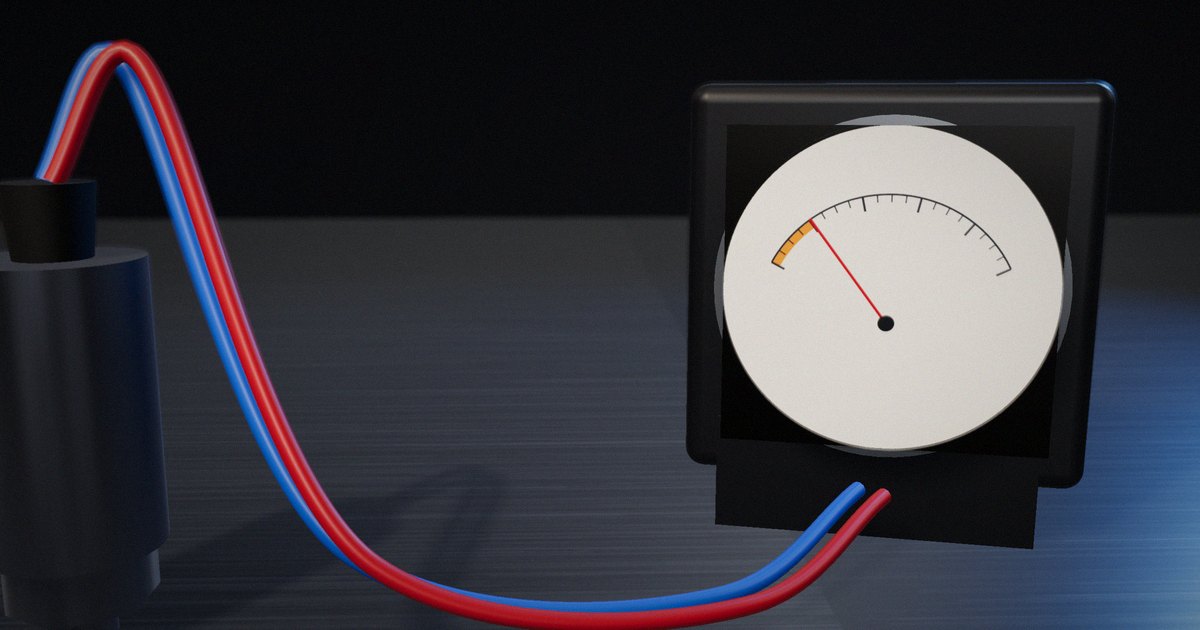
The 4–20 mA current loop explained: why current beats voltage, live zero, loop power budgets, NAMUR NE 43 fault levels and HART, with numbers you can check.
Read more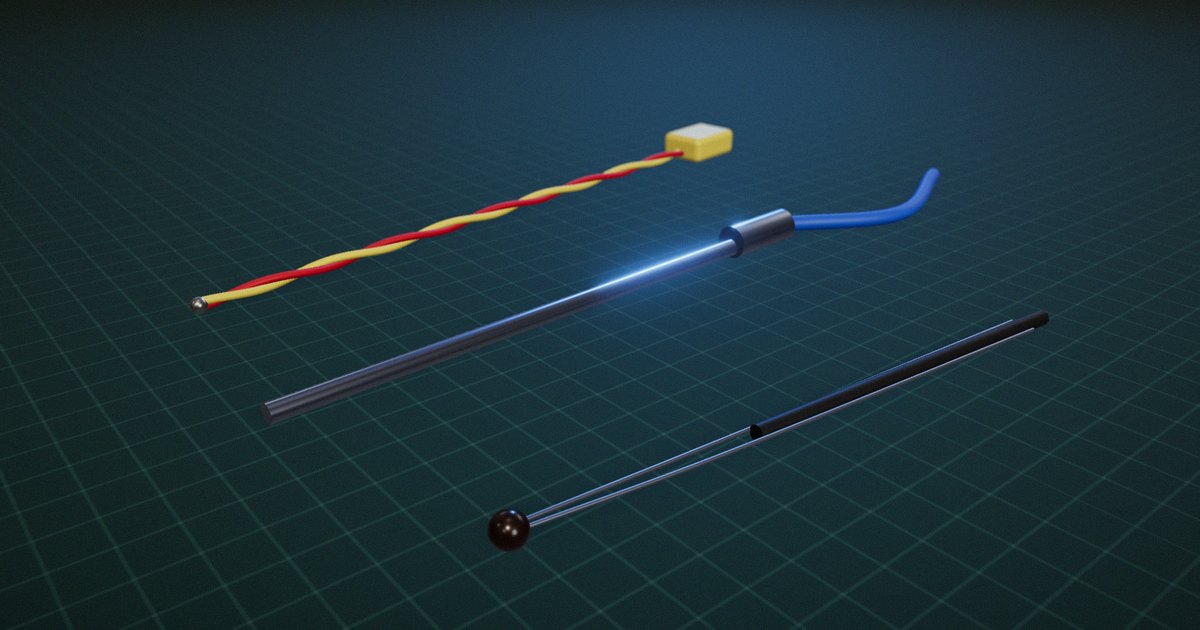
Thermocouple vs RTD vs thermistor compared: range, accuracy, sensitivity, wiring and the hidden errors of each, with worked numbers to help you choose.
Read more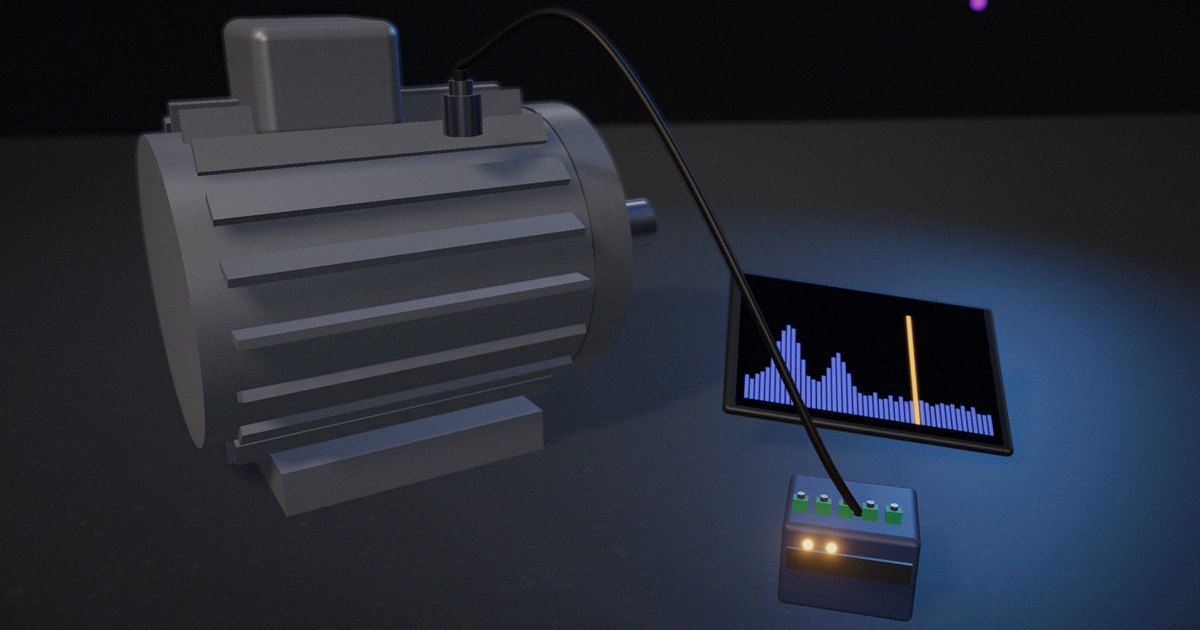
Vibration anomaly detection at the edge explained: learning normal behavior, autoencoders and features, thresholds and false alarms, and what changes on-device.
Read more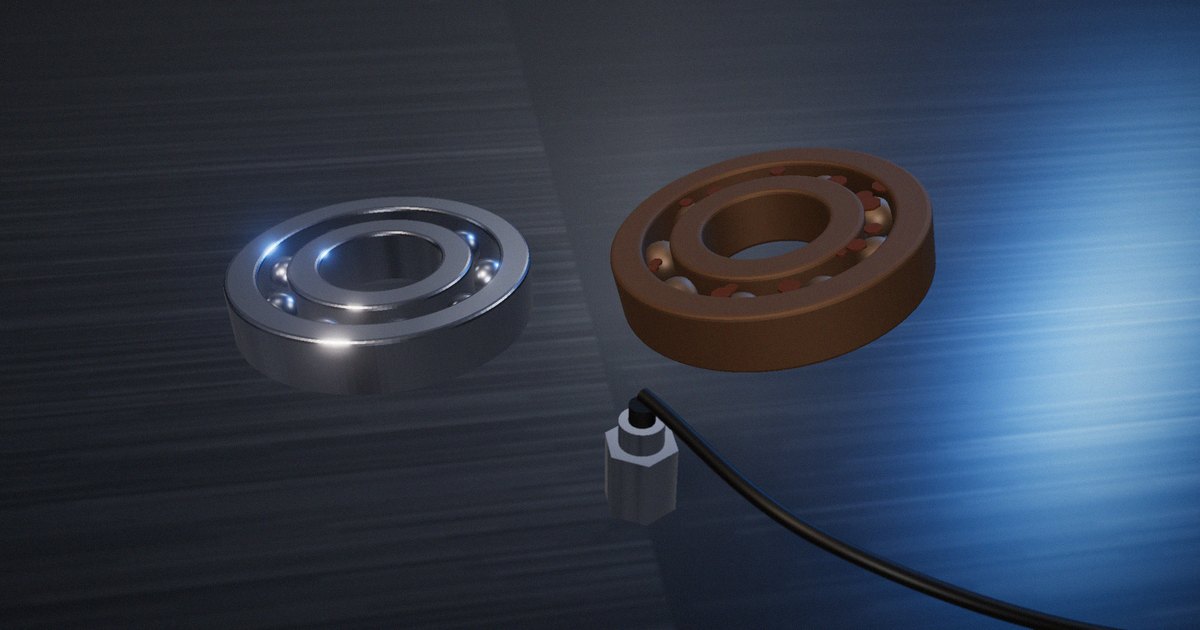
Vibration data for predictive maintenance: what to capture, how often, with what context, and how it flows from raw waveform to health trend and remaining life.
Read more
How to write technical articles engineers trust: lead with the answer, show your working, cite primary sources, state limits and name the expert reviewer.
Read more
Different technical explanations need different formats. A practical way to decide between animation, a written explainer, an interactive demo, or a combination.
Read more
You don't need a finished script to commission a technical explainer. Here is what a useful brief contains, what can wait, and the questions that save the most rework.
Read more
Accuracy matters in technical content, but review cycles often stall projects. How to set up expert review so it protects accuracy and keeps work moving.
Read more
Interactive demos can help buyers understand a technical product on their own terms, or they can become a confusing toy. The design choices that make the difference.
Read more
Off-the-shelf course tools cover a lot. Here is how to tell when your training or education program has outgrown them, and what to plan before building something custom.
Read more
Not every repetitive task needs AI. A practical way to map a workflow, decide which steps suit rules-based automation, which benefit from AI, and where a person should stay in control.
Read moreNo articles in this topic yet.