Table of contents
Animation, Article or Interactive Demo? Choosing the Right Format for a Technical Explanation
Different technical explanations need different formats. A practical way to decide between animation, a written explainer, an interactive demo, or a combination.
When a product is hard to explain, the instinct is often to ask for “a video”. Sometimes that is exactly right. Sometimes a written explainer or a small interactive tool would do the job better, cost less to update, and be easier for your audience to use.
The right format depends on what kind of understanding you are trying to create. This article offers a simple way to decide.
Key Takeaways
- Animation is strongest when the audience needs to see something that is invisible, internal, too fast or too slow.
- Written explainers are strongest when readers need to compare, search, reference or quote details.
- Interactive demos are strongest when understanding comes from changing an input and seeing the result.
- Many projects work best as a combination: a short animation for the idea, an article for the detail.
- Consider how often the content will change. Text and interactive tools are usually easier to update than finished animation.
Ask What Kind of Understanding You Need
Technical explanations usually fall into one of four jobs:
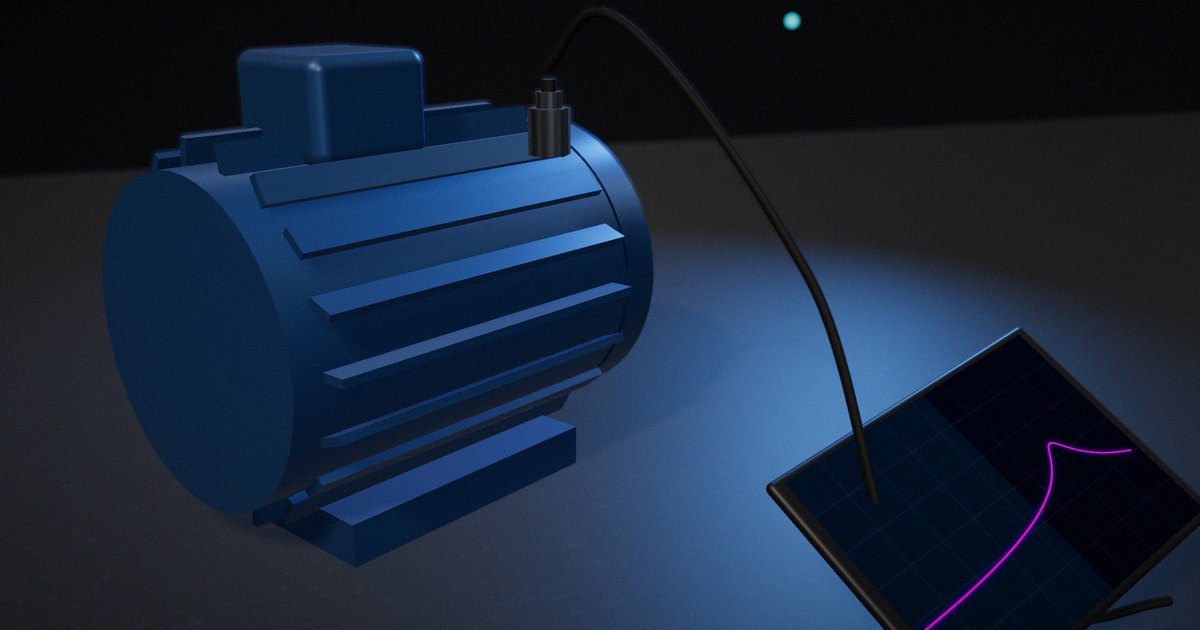
- Showing a mechanism. How a signal propagates, how a pump moves fluid, how a sensor responds.
- Building a mental model. Why a design choice matters, what trade-offs exist.
- Supporting a decision. Comparing options, specifications, compatibility.
- Teaching a task. Setting up, calibrating, troubleshooting.
Each job leans toward a different format.
When Animation Wins
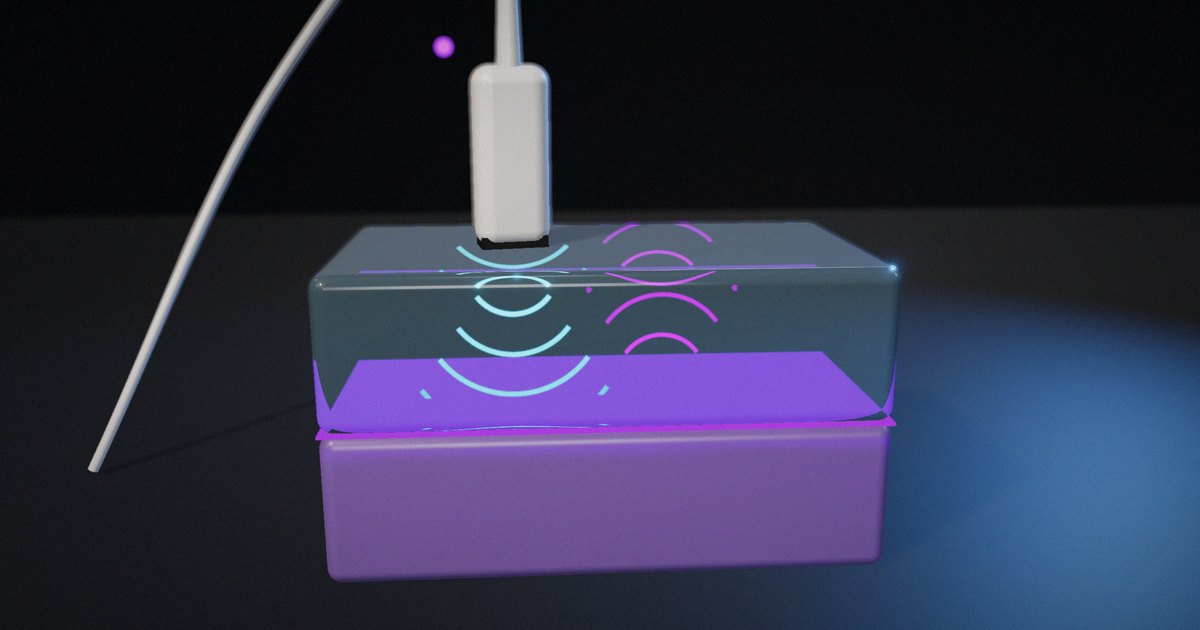
Animation earns its cost when the thing you are explaining can’t easily be photographed or filmed: it happens inside a device, at microscopic scale, too fast to see, or over a long period. It also lets you remove everything that isn’t relevant, which is something real footage can’t do.
Animation is a good fit for:
- Operating principles and internal mechanisms
- Processes that unfold over time
- Simplified views that hide distracting detail
- Moments where a single strong visual has to carry the idea
The trade-off is that finished animation is slower to change. If the product or message is still shifting, it is worth fixing the explanation in an outline or storyboard first.
When a Written Explainer Wins
Readers can skim, search, copy a value into a spreadsheet, and come back later. That makes written content the better choice when the audience needs detail they will use, not just an idea they will remember.
A technical article or application note fits:
- Specifications and comparisons
- Method descriptions and worked examples
- Content that will be referenced, quoted or linked
- Topics where search visibility matters
Written content is also the easiest format to keep accurate as a product evolves.
When an Interactive Demo Wins
Some ideas only click when you change something and see what happens: move a slider, swap a component, adjust a setting. An interactive demo turns a passive explanation into an experiment.
Interactive tools fit:
- Relationships between variables
- Configurators and “what would this look like for me” questions
- Training where the learner benefits from practice
- Sales conversations where a prospect wants to explore
They take more care to design than a single animation, but a good one can be reused across sales, training and support.
Combinations Often Work Best
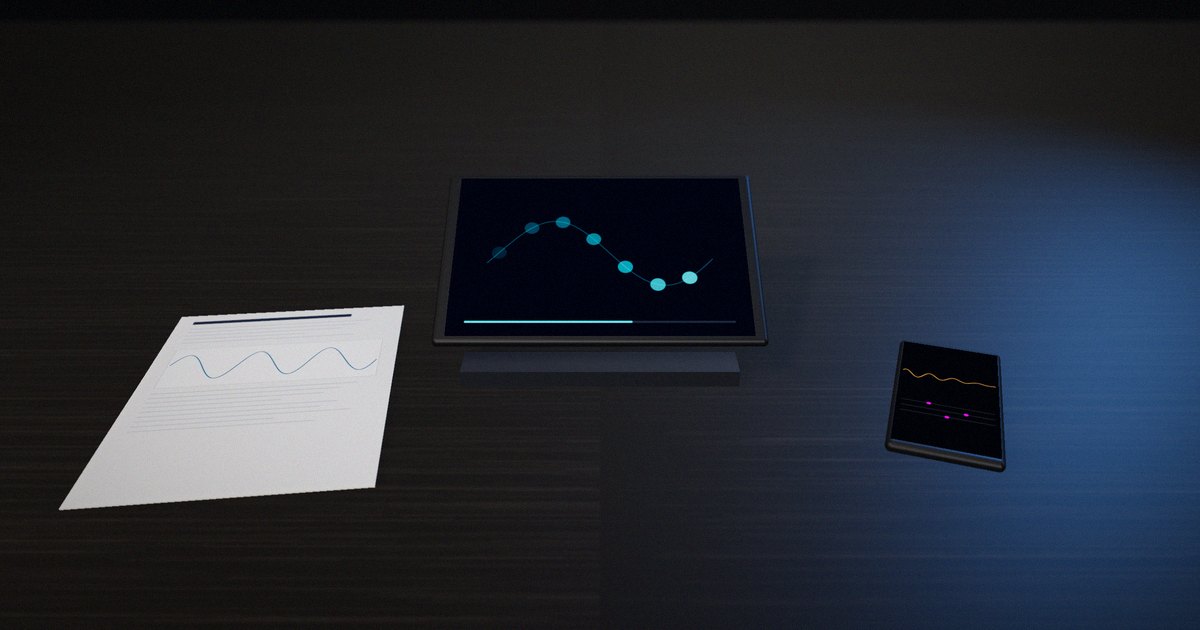
A common, effective pattern looks like this:
| Layer | Format | Job |
|---|---|---|
| Hook | Short animation | Shows the core idea in under a minute |
| Depth | Article or application note | Gives the detail, numbers and references |
| Practice | Interactive demo or lesson | Lets people try it themselves |
You don’t need all three at once. Starting with the layer that answers your audience’s most pressing question, then adding others as needed, keeps a project focused.
A Quick Way to Decide
Answer these questions:
- Is the key idea something people need to see moving? Lean toward animation.
- Will people need to look up, compare or quote details? Lean toward an article.
- Does understanding come from trying different inputs? Lean toward an interactive demo.
- Will the content change often? Favour formats that are easy to update.
If more than one answer is yes, that is a sign the explanation would benefit from more than one format working together.